
The internet is an incredible tool for learning, creativity, and communication. Children use it to watch videos, play games, talk to friends, and even do homework. However, the internet also comes with risks that many parents may underestimate.
From inappropriate content to online predators and unsafe AI chatbots, children can easily encounter situations they are not prepared to handle. That’s why teaching internet safety to kids is one of the most important responsibilities parents have today.
In this guide, we’ll explore the most important rules parents should teach their children to help them stay safe online.
Why Internet Safety Is Important for Kids
Children today are growing up surrounded by technology. Smartphones, tablets, and computers are part of everyday life.
While these tools offer many benefits, they can also expose children to:
-
Harmful or inappropriate content
-
Online scams
-
Cyberbullying
-
Unsafe conversations with strangers
-
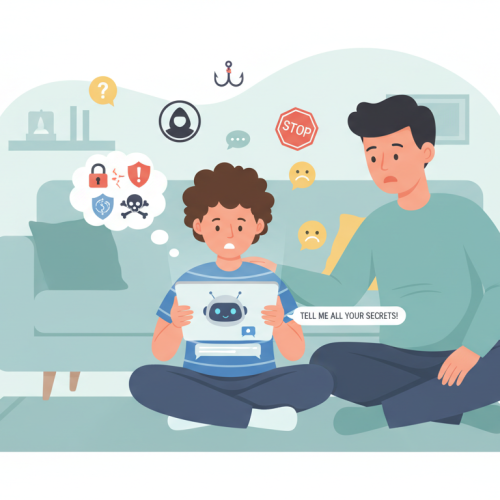
AI chatbots that provide misleading information
Because children are naturally curious and trusting, they may not always recognize these dangers.
Teaching digital awareness and safe habits is essential.
10 Internet Safety Rules Every Child Should Know
1. Never Share Personal Information
Children should never share personal details online without asking their parents.
This includes:
-
Full name
-
Home address
-
School name
-
Phone number
-
Passwords
Sharing this information online can make children vulnerable to scams or strangers.
2. Be Careful When Talking to Strangers
Just like in the real world, children should avoid talking to strangers online.
People they meet in games, chat apps, or social media may not be who they claim to be.
Children should understand that not everyone online is trustworthy.
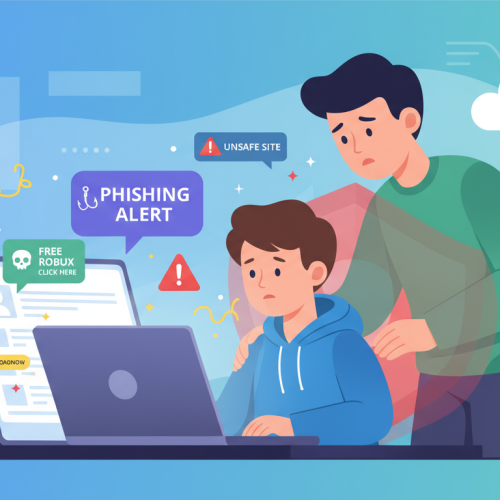
3. Think Before Clicking
Many online scams use fake links or pop-ups to trick users.
Teach children to avoid clicking on:
-
Unknown links
-
Suspicious ads
-
Messages promising free rewards
If something seems too good to be true, it probably is.
4. Keep Passwords Secret
Passwords protect accounts and personal data.
Kids should learn to:
-
Create strong passwords
-
Never share them with friends
-
Change them if something seems suspicious
Parents should also help manage passwords for younger children.
5. Don’t Believe Everything Online
Not everything on the internet is true.
AI chatbots, websites, and social media posts may provide incorrect information.
Encourage children to ask parents or teachers when they are unsure about something they see online.
6. Be Kind and Respectful Online
Cyberbullying is a serious issue affecting many children.
Teach kids to:
-
Treat others with respect online
-
Avoid sending hurtful messages
-
Tell an adult if they experience bullying
Online behavior should follow the same rules as real-life interactions.
7. Limit Screen Time
Spending too much time online can affect sleep, mood, and physical health.
Healthy habits include:
-
Taking regular breaks
-
Playing outside
-
Spending time with family and friends
Technology should support a balanced lifestyle.
8. Talk to Parents About Online Experiences
Children should feel comfortable discussing what they encounter online.
Encourage them to talk about:
-
Strange messages
-
Scary content
-
Confusing AI conversations
-
New apps or games they want to try
Open communication helps parents detect risks early.
9. Use Safe and Age-Appropriate Apps
Not all apps are designed for children.
Parents should review apps before allowing kids to use them and ensure they are appropriate for their age.
Checking reviews and ratings can help identify safer options.
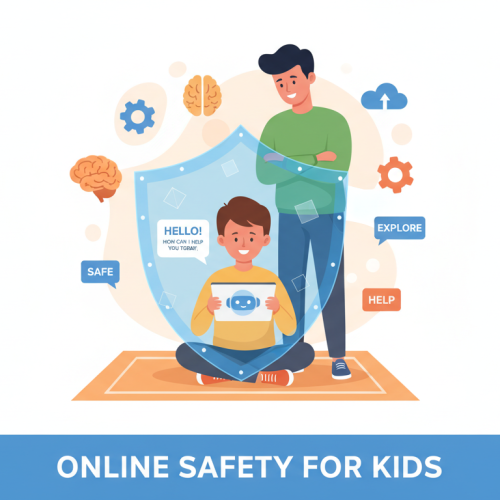
10. Use Parental Safety Tools
Technology can also help parents protect their children online.
Parental safety tools like RaiKid allow parents to monitor digital activity and detect unsafe conversations with AI chatbots or apps.
These tools help parents stay informed and guide their children toward safer online habits.
Teaching Kids to Be Responsible Digital Citizens
The goal of internet safety is not to scare children or completely restrict technology. Instead, it’s about helping them develop smart digital habits.
Children who understand online risks are more likely to make safe choices and avoid dangerous situations.
By combining education, open communication, and safety tools, parents can help children explore the internet with confidence.
The internet is a powerful tool that can open doors to learning, creativity, and connection. But like any powerful tool, it must be used responsibly.
By teaching children essential internet safety rules and staying involved in their digital lives, parents can create a safer online environment.
With guidance, awareness, and protective tools like RaiKid, children can enjoy the benefits of technology while staying safe from its risks.