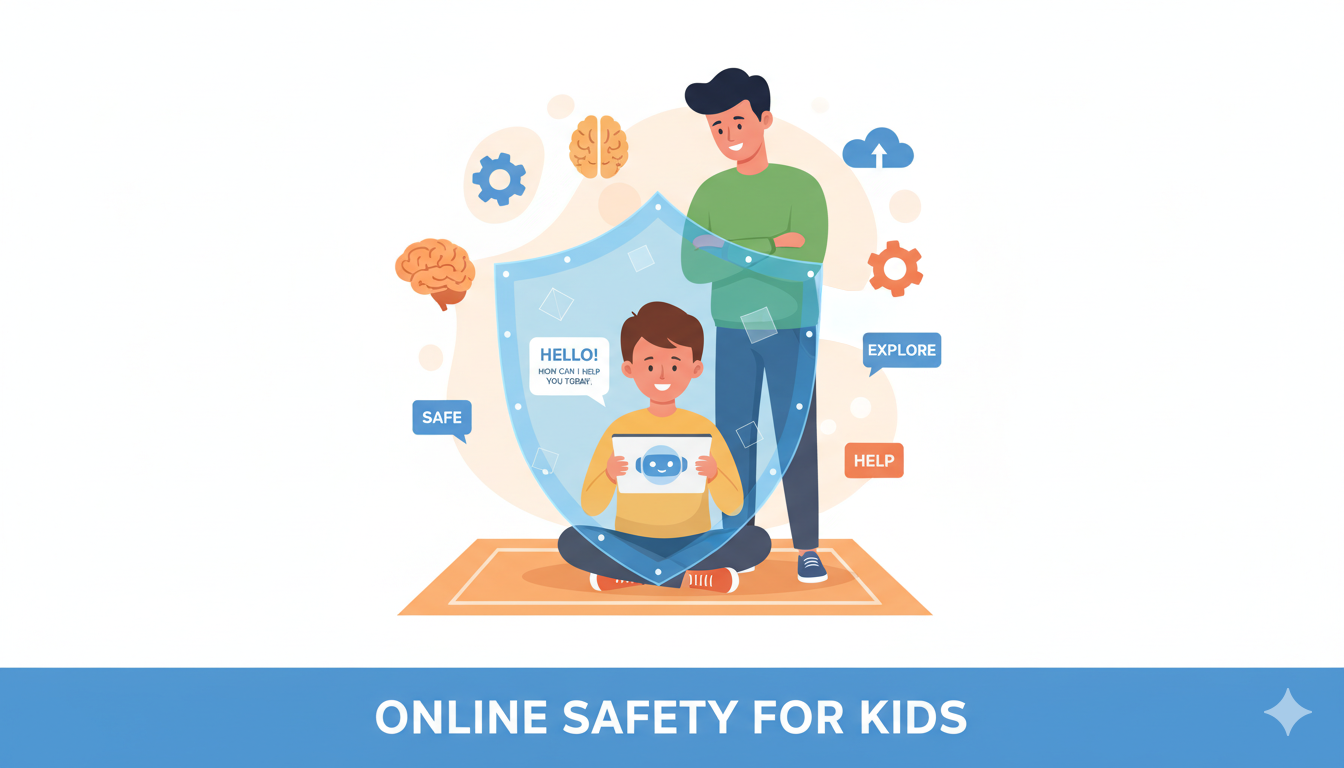
Artificial intelligence is becoming part of everyday life. Many children now interact with AI chatbots through apps, websites, games, and even homework tools. While AI can be helpful and educational, it also introduces new challenges for parents.
Many parents are now asking an important question: how can we protect children from unsafe AI chatbot interactions?
In this guide, we will explore the potential risks of AI chatbots and the practical steps parents can take to ensure their children use this technology safely.
Why Kids Are Talking to AI Chatbots
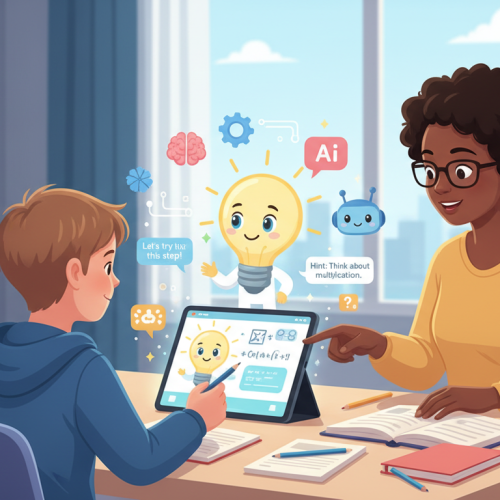
AI chatbots are becoming extremely popular with children. These systems can answer questions, help with schoolwork, tell stories, and simulate conversations.
Kids are drawn to AI chatbots because they are:
-
Fast and always available
-
Interactive and engaging
-
Helpful for homework and learning
-
Fun to talk to
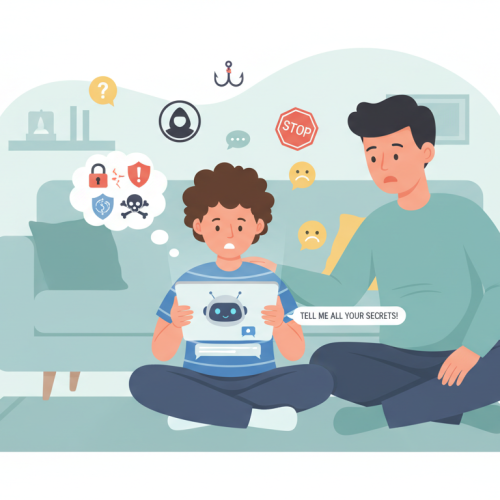
However, because these systems simulate human conversations, children may not fully understand that they are interacting with a machine.
This is where parental awareness becomes essential.
Potential Risks of AI Chatbots for Children
While AI chatbots are designed to be helpful, they are not always safe for children to use without supervision.
Exposure to Inappropriate Content
AI chatbots sometimes generate unexpected responses. In some cases, they may produce content that is not suitable for young users.
Even systems with safety filters can occasionally generate answers that include mature topics.
Emotional Attachment to AI
Some children may begin to treat AI chatbots as friends. Because chatbots respond in a conversational way, kids can feel like they are talking to a real person.
This can create confusion about relationships and trust.
Children should always understand that AI is a tool, not a real companion.
Misinformation and Incorrect Answers
AI systems do not always provide accurate information. They generate responses based on patterns in data, which means they can sometimes give incorrect answers.
Children who rely heavily on AI may accept these answers as facts.
Excessive Screen Time
Chatting with AI can become addictive for some children. Long conversations with AI tools may increase screen time and reduce time spent on healthy activities such as playing outside or interacting with friends.
Signs Your Child May Be Using AI Chatbots Too Much
Parents should pay attention to changes in behavior that may indicate excessive AI use.
Common signs include:
-
Spending long periods chatting with AI tools
-
Talking about AI bots as if they were friends
-
Using AI for every question or problem
-
Becoming frustrated when AI tools are unavailable
These signs don’t necessarily indicate danger, but they suggest that parental guidance is needed.
Practical Ways to Protect Kids from AI Chatbots
The good news is that parents can take several steps to ensure safe AI usage.
Talk to Your Kids About AI
Start by explaining what AI is and how it works. Children should understand that AI chatbots are computer programs and not real people.
Encourage them to question information and think critically about what they read online.
Set Clear Technology Rules
Establish clear guidelines for how and when AI tools can be used.
For example:
-
Limit AI use to educational purposes
-
Avoid using AI tools late at night
-
Set daily screen time limits
These boundaries help children develop healthy digital habits.
Monitor the Apps Your Child Uses
Parents should regularly review the apps and websites their children use. Some AI tools are designed for adults and may not be appropriate for young users.
Knowing which platforms your child interacts with helps reduce risks.
Use Parental Safety Tools
Technology can also help parents manage digital safety.
Parental protection apps such as RaiKid are designed to monitor AI interactions and help parents detect unsafe conversations. These tools can provide alerts and insights into how children are interacting with AI systems.
By using smart monitoring tools, parents can better protect their children in a rapidly evolving digital environment.
Teaching Kids Healthy AI Habits
Rather than banning AI completely, it’s better to teach children how to use it responsibly.
Healthy AI habits include:
-
Using AI for learning and creativity
-
Asking parents when something seems confusing
-
Balancing technology with offline activities
-
Understanding that AI is not always correct
Helping kids develop digital awareness will prepare them for the future.
Artificial intelligence will continue to play an important role in education, communication, and entertainment. While AI chatbots can be useful tools for learning, they also introduce new challenges that parents must understand.
By staying informed, setting clear boundaries, and using protective tools like RaiKid, parents can help ensure their children explore technology safely.
The goal is not to fear AI, but to guide children in using it wisely and responsibly.