Artificial intelligence tools are becoming increasingly popular, and many children are now using AI chatbots for homework, entertainment, and curiosity. One of the most well-known AI chatbots today is ChatGPT.
While AI tools like ChatGPT can provide helpful answers and educational support, many parents are asking an important question: Is ChatGPT safe for kids?
In this guide, we’ll explore how children use AI chatbots, the potential risks involved, and how parents can ensure safe and responsible usage.
Why Kids Are Using ChatGPT
Children are naturally curious and eager to explore new technologies. AI chatbots like ChatGPT can answer questions instantly and interact in a conversational way that feels engaging.
Kids often use AI tools for:
-
Homework help
-
Learning new topics
-
Writing stories or ideas
-
Asking random questions
-
Exploring creative projects
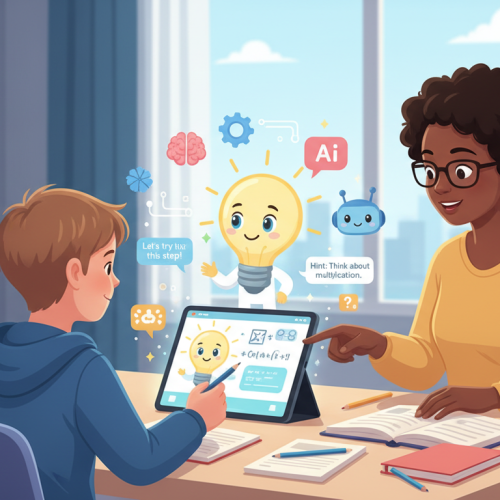
These capabilities make AI a powerful learning tool. However, without guidance, children may not fully understand the limitations of AI systems.
Potential Risks of ChatGPT for Children
Although AI chatbots are designed to be helpful, there are several risks parents should be aware of.
Exposure to Inappropriate Information
AI chatbots sometimes generate responses that may not be suitable for younger audiences. Even with safety filters, AI systems can occasionally produce answers that include mature or confusing topics.
Children may not always recognize when content is inappropriate.
Incorrect or Misleading Answers
AI systems do not always provide accurate information. Because they generate responses based on patterns in data, they can sometimes produce incorrect answers.
Kids who rely heavily on AI may assume the information is always correct.
Emotional Attachment to AI
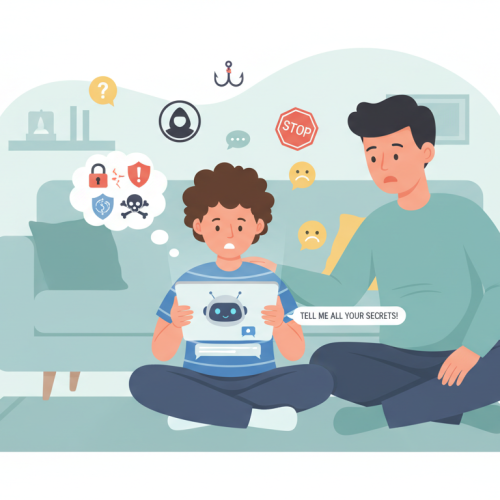
Some children may begin to treat AI chatbots as friends or trusted advisors. Since AI systems communicate in a human-like way, younger users might forget that they are interacting with a machine.
Parents should remind children that AI is simply a tool, not a real person.
Excessive Screen Time
Chatting with AI can become very engaging. Some children may spend long periods interacting with chatbots instead of participating in offline activities.
Balancing digital time with physical play and social interaction is essential.
Signs Your Child Is Using AI Too Much
Parents should be aware of behavioral changes that may indicate excessive AI usage.
Possible signs include:
-
Spending long periods chatting with AI tools
-
Using AI for every homework question
-
Talking about AI bots as if they were friends
-
Becoming frustrated when AI tools are unavailable
Recognizing these signs early helps parents guide their children toward healthier digital habits.
How Parents Can Help Kids Use AI Safely
The best approach is not to ban AI completely, but to teach children how to use it responsibly.
Talk About How AI Works
Explain to children that AI generates responses based on data and algorithms. It does not think or feel like a human.
Understanding this helps children use AI more critically.
Set Clear Technology Rules
Parents can establish rules such as:
-
Limiting AI usage time
-
Using AI mainly for learning
-
Avoiding late-night AI conversations
These boundaries encourage balanced technology use.
Monitor the Apps Your Child Uses
Parents should know which apps and websites their children use regularly. Some AI tools are designed for adults and may not be appropriate for younger users.
Monitoring helps reduce exposure to unsafe platforms.
Use Parental Safety Tools
Digital safety tools can help parents monitor online activity and detect potential risks.
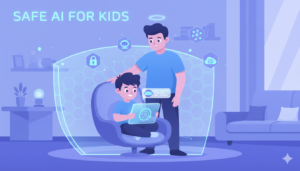
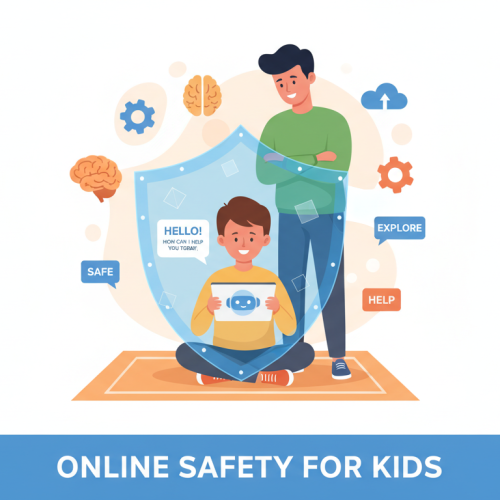
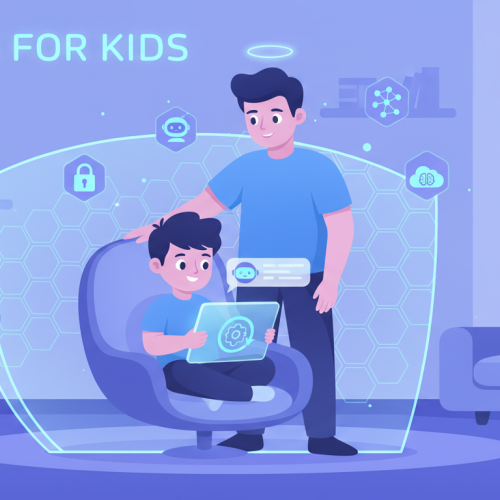
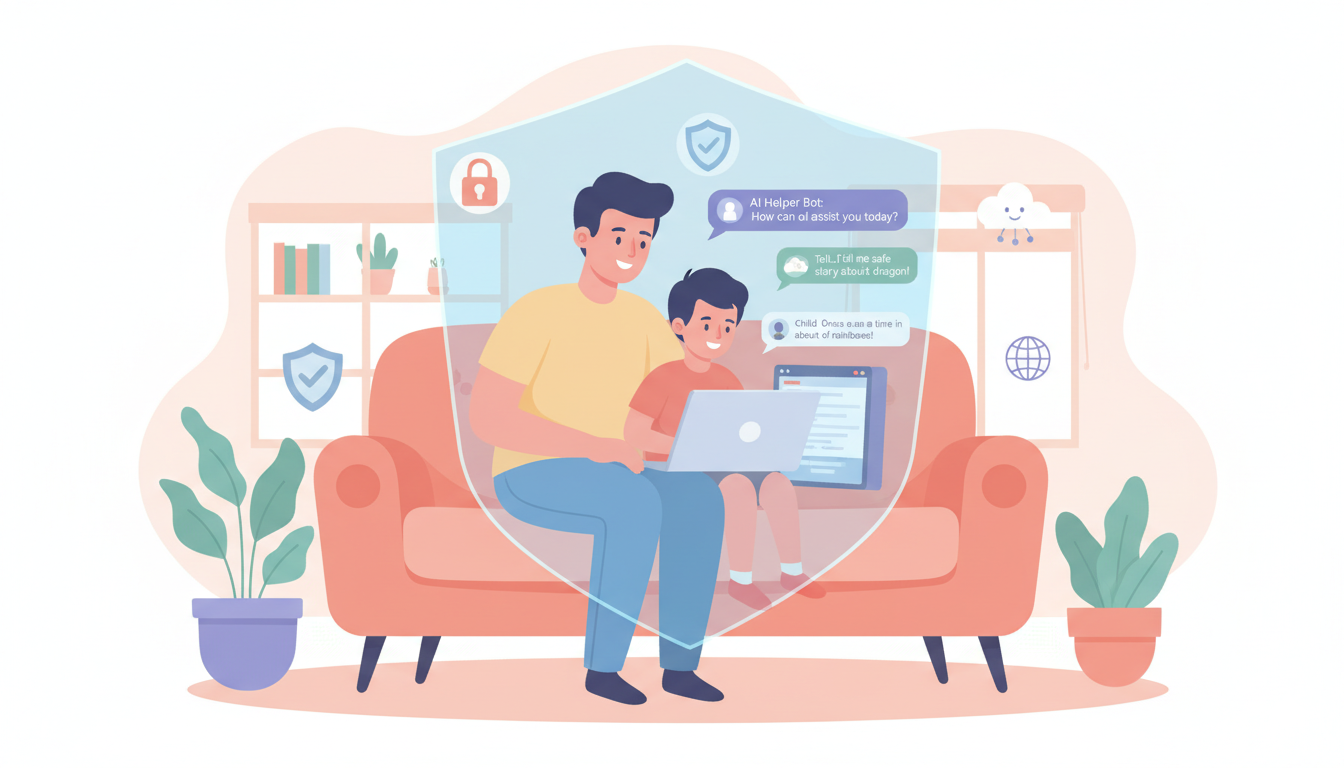
For example, RaiKid helps parents monitor children’s interactions with AI chatbots and detect unsafe conversations early. This allows parents to stay informed and guide their children toward safer online experiences.
The Benefits of AI for Kids
Despite the risks, AI tools can be very beneficial when used responsibly.
AI can help children:
-
Learn new subjects
-
Improve writing and creativity
-
Ask questions they might hesitate to ask adults
-
Discover new educational resources
The key is parental guidance and supervision.
Frequently Asked Questions
Is ChatGPT designed for children?
ChatGPT is not specifically designed for young children. Parents should supervise usage and ensure kids understand how AI works.
Can AI replace teachers or parents?
No. AI can assist with learning but cannot replace human guidance, experience, or emotional support.
Should parents monitor AI conversations?
Yes. Monitoring helps parents understand how children interact with AI and ensures they are using it safely.
Artificial intelligence is becoming a powerful part of modern education and communication. Tools like ChatGPT can help children learn and explore new ideas, but they must be used responsibly.
By staying informed, setting clear boundaries, and using safety tools like RaiKid, parents can help their children benefit from AI while avoiding potential risks.
The goal is not to fear technology but to teach children how to use it wisely and safely.