Artificial intelligence is becoming part of everyday life. Children now use AI tools for homework, chatting, games, and learning. While these technologies can be useful and educational, many parents are starting to ask an important question: Is AI safe for kids?
AI chatbots and intelligent assistants are powerful tools, but they also introduce new risks that parents may not fully understand. In this guide, we will explore the benefits of AI for children, the potential dangers, and the steps parents can take to protect their kids in the age of artificial intelligence.
Why Kids Are Using AI More Than Ever
Children today are growing up in a digital world. AI tools are becoming as common as search engines and mobile apps.
Kids often use AI for:
-
Homework help
-
Learning new subjects
-
Creative writing and storytelling
-
Playing games and chatting
-
Exploring new ideas
AI tools like chatbots can answer questions instantly and interact in a way that feels almost human. For curious children, this can feel exciting and engaging.
However, the more children interact with AI, the more important it becomes for parents to understand the safety implications.
Potential Risks of AI for Children
While AI offers many advantages, there are also risks parents should be aware of.
1. Exposure to Inappropriate Content
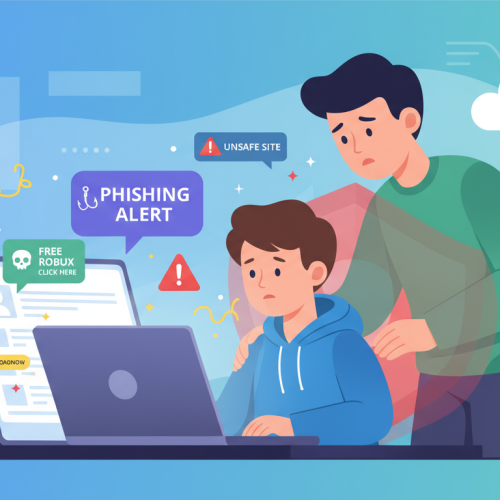
AI systems sometimes generate answers that may not be appropriate for children. Even well-designed AI tools can occasionally produce responses that include mature topics or harmful information.
Children may not always recognize when something they read is inappropriate or misleading.
2. AI Conversations That Feel Too Real
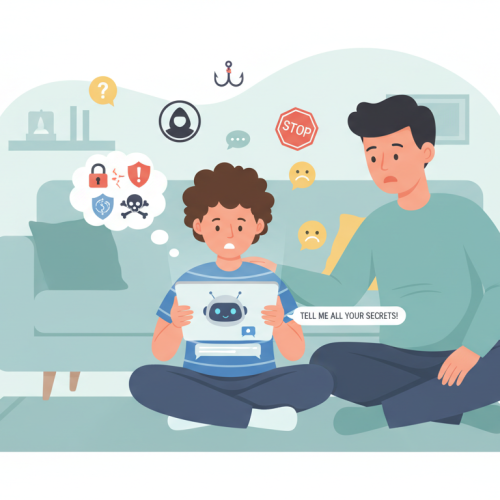
Some AI chatbots are designed to simulate human conversations. For young children, this can blur the line between real people and artificial systems.
Kids may begin to trust AI as if it were a friend or authority figure. This can lead to emotional attachment or confusion about who they are talking to.
3. Manipulation and Misinformation
AI tools generate responses based on data and algorithms, but they are not always accurate. Children may receive incorrect or misleading information and assume it is true.
Because kids are still developing critical thinking skills, they may struggle to evaluate the reliability of AI-generated answers.
4. Excessive Screen Time
AI chatbots and AI-powered games can be very engaging. Some children may spend long periods interacting with AI tools, which can contribute to unhealthy screen habits.
Balancing technology use with offline activities is essential for healthy development.
Signs Your Child May Be Overusing AI
Parents should stay aware of how children are interacting with technology.
Possible signs include:
-
Spending long hours chatting with AI tools
-
Talking about AI bots as if they were friends
-
Relying on AI for all homework or questions
-
Becoming upset when access to AI tools is limited
These signs don’t necessarily mean something is wrong, but they may indicate that it’s time to set clearer boundaries.
How Parents Can Protect Their Kids
The good news is that parents can take several steps to ensure their children use AI safely.
1. Talk Openly About AI
Explain to your children that AI is a tool, not a real person. Helping them understand how AI works can reduce confusion and build healthy digital habits.
2. Set Clear Technology Rules
Establish rules about when and how AI tools can be used. For example:
-
Limit daily screen time
-
Avoid using AI late at night
-
Encourage AI use for learning rather than entertainment
3. Monitor Online Activity
Parents should stay informed about which apps and websites their children are using.
Monitoring conversations and digital activity can help identify potential risks early.
4. Use Parental Protection Tools
Technology can also help parents manage digital safety.
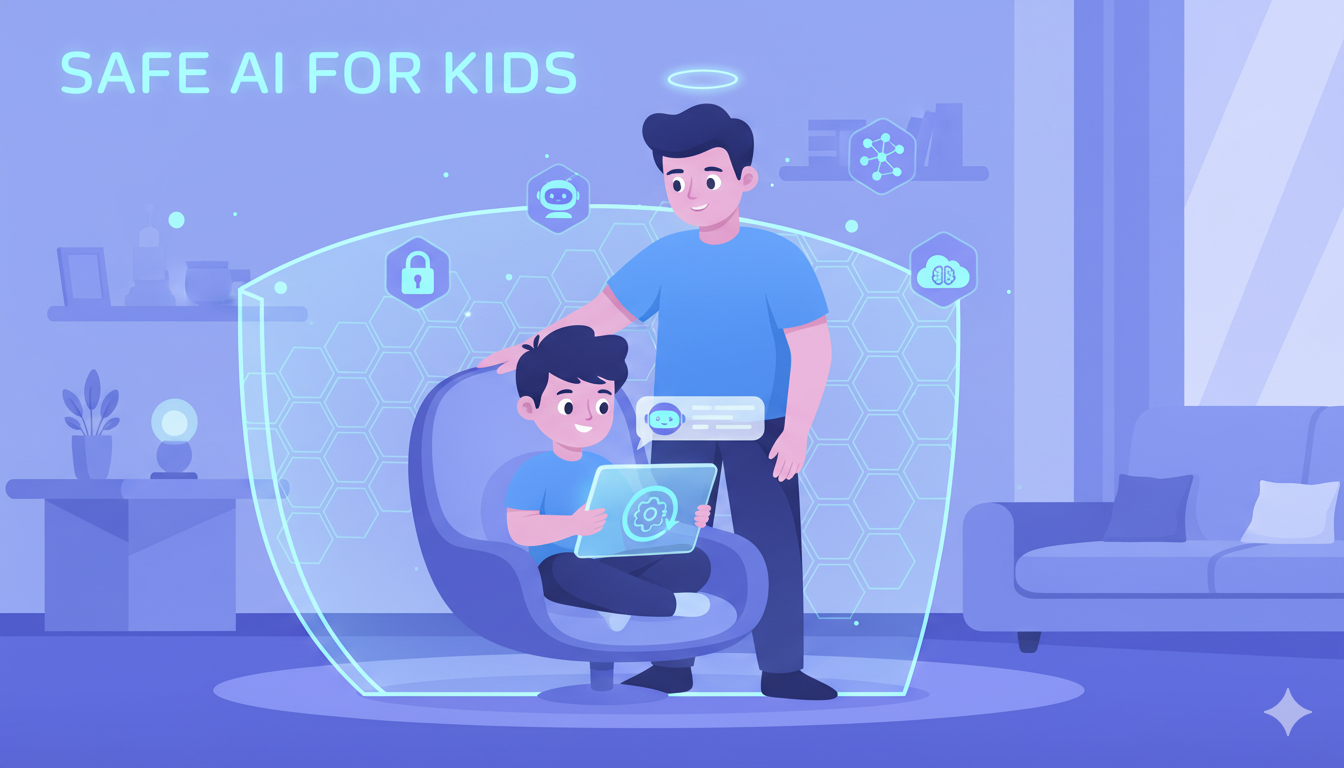
Tools like RaiKid are designed to help parents monitor AI interactions and protect children from unsafe conversations. By using smart monitoring and AI safety features, parents can better understand how their kids interact with digital tools.
The Positive Side of AI for Kids
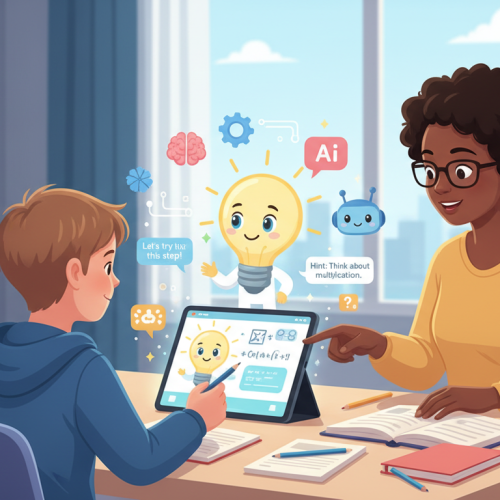
Despite the risks, AI also offers many opportunities for learning and creativity.
When used responsibly, AI can help children:
-
Learn faster
-
Explore new ideas
-
Improve writing and creativity
-
Discover educational resources
The key is guidance and supervision.
AI should support learning, not replace human interaction or parental involvement.